San Francisco Community Land Trust
How San Francisco Neighbors saved 320 14th Street
Teachers, nurses, farmworkers, and families — the people who keep California running increasingly can't afford to live here. Social housing is publicly financed, community-governed, and permanently out of reach of speculation.
The Model
Social housing is publicly or community owned, mixed-income housing that stays affordable forever — protected from real estate speculators and corporate landlords. It's not a program. It's a system.
California's housing crisis won't be solved one project at a time. Building a few affordable units here and there creates islands of affordability in a sea of speculation. We need a social housing system.
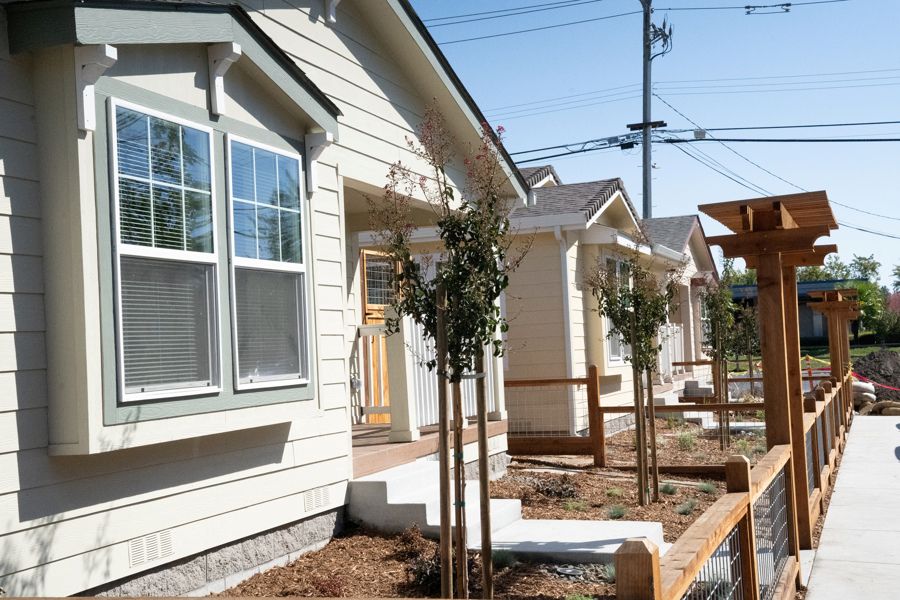
Four ownership and governance structures that hold land or buildings outside the speculative market.
Nonprofit organizations that hold land in perpetual trust — keeping homes affordable for generations and not just a fixed term.
Government-owned and operated housing that serves residents at all income levels with stable, long-term tenure.
Resident-owned housing where equity gains are capped, preserving affordability for future buyers and members.
Mission-driven nonprofits that develop and operate permanently affordable housing outside the for-profit market.
The values that guide social housing projects across every model.
Unlike time-limited subsidized housing, social housing stays affordable in perpetuity because it's structurally removed from speculation.
Residents and the broader community hold real decision-making power through boards, tenant unions, and councils — not just advisory roles.
Strong protections — just-cause eviction, secure leases, and the right to stay long-term. Housing can't be taken away on the whim of a landlord or speculator.
Social housing serves people across the income spectrum. Blending low-, moderate-, and middle-income households keeps communities economically integrated and politically resilient.
The Alliance for Housing Justice explains social housing in two minutes — in English and Spanish.
Where It's Happening
Community land trusts, co-ops, and social purpose developers are already building permanently affordable housing across the state. These are featured examples — not a comprehensive directory.
Tap any marker to read about that project.
Who It's For
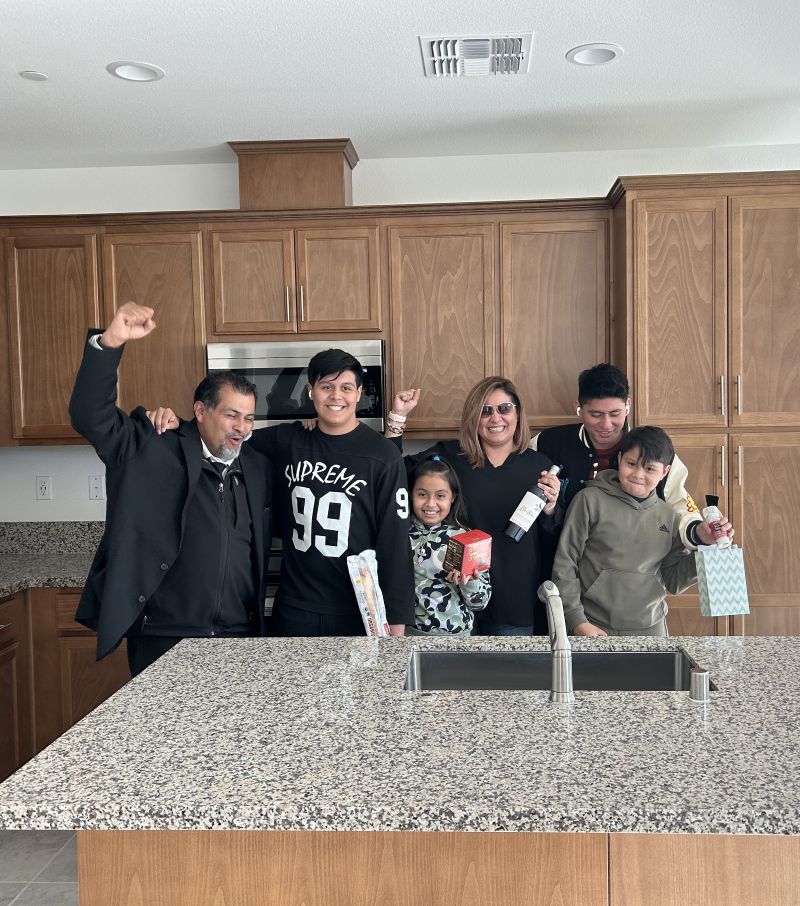
The private, for-profit market has never affordably housed our lowest-income residents, and never will. That's where social housing must lead.
Social housing is intentionally mixed-income — but unlike the private market, the goal isn't profit. It's stability, affordability, and equity. That means serving people across the income spectrum who can't afford market rents, while prioritizing those with the greatest need.
While the focus should be on the lowest-income renters, the crisis is hitting moderate-income households too. Families earning too much to qualify for traditional subsidies but not enough to afford market rent are also being pushed out. Social housing can serve them all — and in doing so, build the broad political coalition this moment demands.
Stories
News, stories, and campaigns from across the coalition.
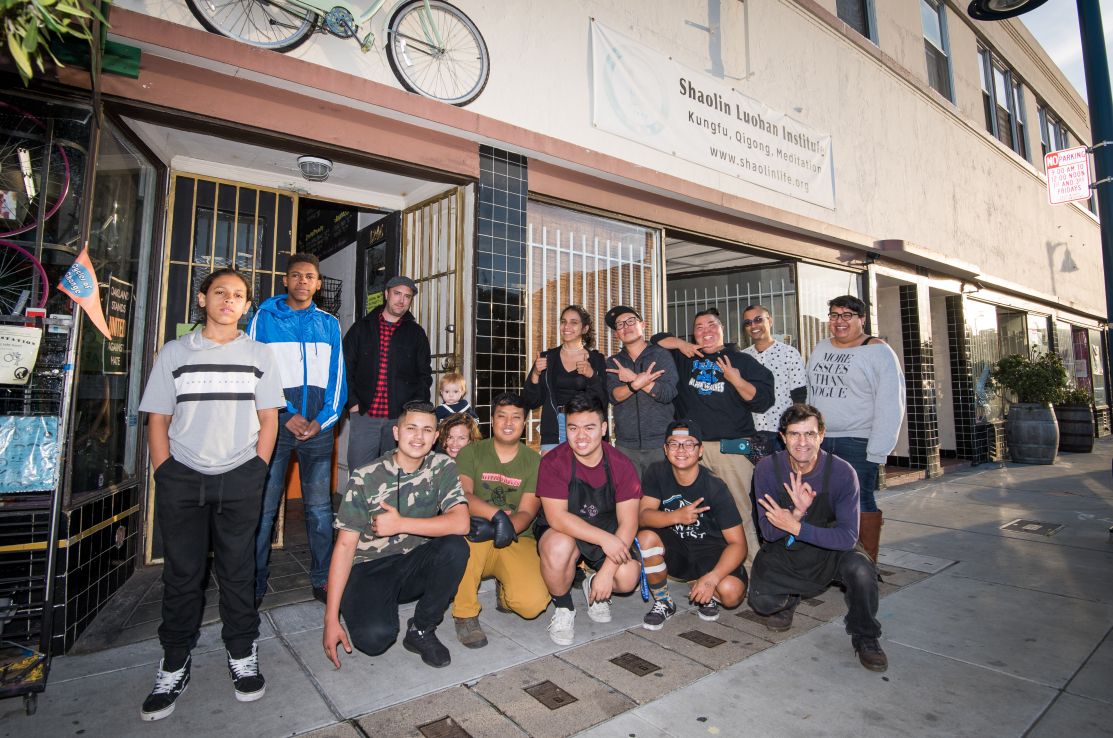
In early 2017, residents and commercial tenants received notice their building was for sale. Connecting with OakCLT, they coalesced around a vision of permanently affordable rents and a pathway toward cooperative self-management and shared ownership.
Read More →Library
Policy briefs, research, and tools for organizers and advocates.
California needs more than individual projects. A Social Housing Development Authority could plan, finance, and build at the scale the crisis demands.
Read →Teachers, nurses, farmworkers — the people who keep California running increasingly can't afford to live here. Social housing prioritizes those the private market will never reach.
Read →Social housing puts residents in control — not corporate landlords. Real decision-making power at the building, organizational, and program level.
Read →Local strategies — from rent control and community land trusts to public land dedication and new revenue — that build toward replacing the profit-based housing system.
Read →Coalition recommendations for the SB 555 study, drawing on statutory definitions and community expertise to shape California's social housing models and best practices.
Read →California legislation requiring HCD to study and recommend social housing — permanently affordable, publicly or nonprofit owned, with eviction protections and meaningful resident participation.
Read →Social housing is housing built for public benefit, not private profit — covering new construction and preservation, and explicitly excluding for-profit, landlord, or speculator ownership.
Read →A movement report documenting organizers' vision for deeply affordable, democratically controlled social housing — and the tenant unions and policy campaigns driving it forward.
Read →Coalition
Social Housing California is built with and for the organizations doing this work on the ground.
Get Involved
Add your name and stay informed. We'll share updates on social housing legislation, local organizing, and ways to take action across California.